
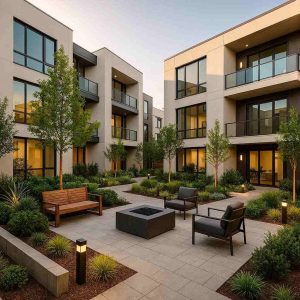
 Finance plays a major role in how outdoor spaces are designed. Homeowners and developers now look beyond visual appeal. They want outdoor areas that add real value. Every design choice is often reviewed with cost and long-term use in mind.
Outdoor environment design is no longer about decoration alone. It is about function and return. Well-planned outdoor spaces can increase property value. They can also reduce future expenses through smart material choices.
Budget planning helps define priorities. Instead of large lawns, many choose low-maintenance greenery. This reduces water use and upkeep costs. Over time, these savings add up.
Financial awareness also shapes layout decisions. Designers focus on spaces that people will actually use. Patios, walkways, and shaded seating areas are favored. Unused areas are seen as wasted investment.
Lighting is another example. Energy-efficient outdoor lighting costs more at first. However, it lowers power bills over time. Finance-driven planning supports this approach.
Drainage and soil planning are also important. Proper systems prevent flooding and erosion. This avoids costly repairs later. Good outdoor design protects the overall investment.
Developers also consider lifecycle costs. Materials that last longer reduce replacement expenses. This makes financial sense for both owners and investors.
Why Outdoor Spaces Matter in Property Value
Outdoor environments shape first impressions. A well-designed exterior increases perceived value. Buyers often decide emotionally before analyzing numbers. Good outdoor design supports that decision.
Green spaces also improve livability. People enjoy areas where they can relax or exercise. This makes properties more attractive in competitive markets. Higher demand often leads to better pricing.
Outdoor design also affects rental performance. Properties with usable outdoor areas attract longer-term tenants. This reduces vacancy and turnover costs. From a finance view, this improves cash flow.
Sustainability adds another layer of value. Eco-friendly outdoor spaces appeal to modern buyers. They also align with global environmental trends. This protects future resale potential.
Trees and plants provide natural cooling. This lowers indoor energy use. Reduced utility costs benefit both owners and tenants. These savings support the overall financial plan.
Noise reduction is another benefit. Green buffers reduce sound from roads or nearby buildings. Quieter homes are more desirable. This can justify higher pricing.
Outdoor amenities also support lifestyle branding. Properties with walking paths or garden areas stand out. This helps marketing efforts. Better branding often leads to faster sales.
Insurance considerations matter too. Proper drainage and safe walkways reduce risk. Fewer claims can lower insurance costs. This is often overlooked but financially important.
Designing Outdoor Environments With Long-Term Financial Goals
Smart outdoor design starts with clear goals. Owners should define how the space will be used. This avoids spending on features that do not add value.
Modular designs are becoming popular. These allow changes over time without full redesigns. This flexibility supports long-term financial planning.
Maintenance planning is critical. Designs that require constant care increase ongoing costs. Low-maintenance plants and durable surfaces reduce this burden.
Outdoor spaces can also support health and well-being. This is hard to measure but very real. Healthier living reduces stress and improves productivity. For many, this is worth the investment.
Community-focused designs also matter. Shared outdoor areas encourage social interaction. This improves resident satisfaction. Happy residents are more likely to stay long-term.
Climate considerations must be part of planning. Designs should match local weather patterns. This reduces damage and repair costs. It also improves comfort year-round.
Technology now supports outdoor design. Smart irrigation systems reduce water waste. Automated lighting improves efficiency. These tools align with financial discipline.
Developers often view outdoor design as a selling feature. However, it should also support long-term returns. A balanced approach works best. Visual appeal should meet financial sense.
In the end, outdoor environment design is a financial decision. It affects value, costs, and lifestyle. When planned well, it delivers returns beyond numbers. It creates spaces that feel good and perform well over time.